

Digital Product Manager, Advanced
Fire safety has always been about protecting people and property. What is changing, however, is the way buildings are managed and the information available to those responsible for keeping them safe.
Today’s built environment is significantly more complex than it was even a decade ago. Multi-use developments, distributed estates, high-rise residential buildings and increasingly connected infrastructure all create new challenges for those tasked with managing fire safety. At the same time, legislation and regulation continue to evolve, placing greater emphasis on accountability, record-keeping and the ability to demonstrate compliance throughout a building’s lifecycle.
These developments are driving a growing interest in smart fire system management and the role that connected technologies can play in supporting safer, more efficient buildings.
A changing fire safety landscape
The traditional model of fire system management has remained largely unchanged for many years. Fire alarm systems detect incidents, notify occupants and provide information via a fire control panel. While this remains a critical foundation of life safety, the expectations placed on building operators have expanded considerably.
Responsible persons, Accountable Persons, facilities managers, maintenance providers and building owners are increasingly expected to maintain accurate records, respond quickly to incidents, manage larger estates and demonstrate ongoing compliance with fire safety legislation. For many organisations, this means relying on information that extends far beyond what can be viewed while standing in front of a fire panel.
This is particularly relevant following legislative changes such as the Building Safety Act and the increased focus on the “Golden Thread” of information. The principle behind the Golden Thread is that accurate, up-to-date and accessible information should be created, maintained and shared throughout a building’s lifecycle. In practice, achieving that can be far more challenging when information is stored across paper logbooks, disconnected systems and multiple locations. Connected fire systems can play an important role in supporting the Golden Thread by helping ensure that key fire safety information remains accurate, accessible and readily available to those who need it.
As buildings become more complex, the requirement for timely and reliable fire safety data becomes increasingly important.
Digital transformation has reshaped almost every aspect of building management, and fire safety is no exception.
From fire panels to connected systems
Digital transformation has reshaped almost every aspect of building management, and fire safety is no exception.
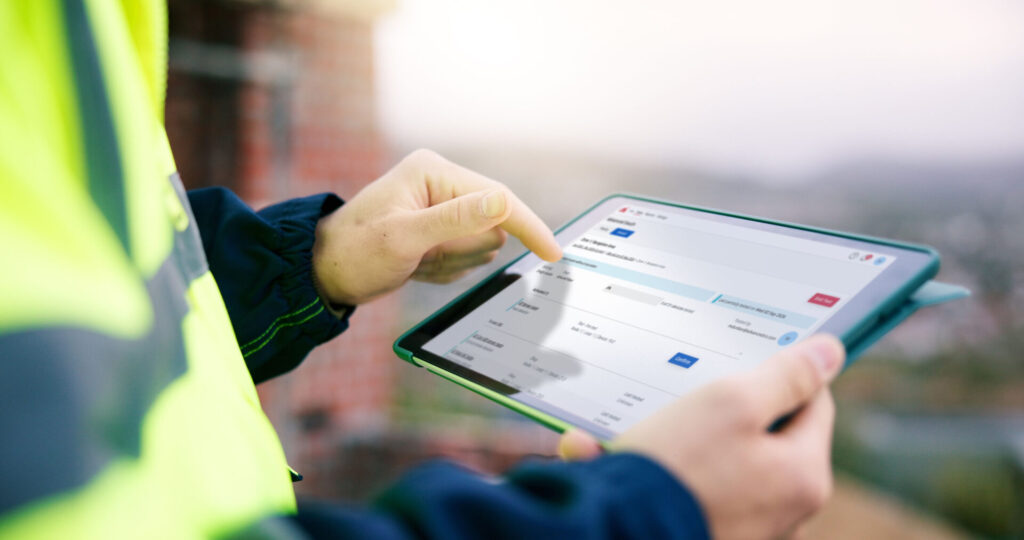
Connected fire systems now make it possible for users to access information remotely, monitor system health in real time and maintain comprehensive digital records of events, maintenance activities and user actions. Rather than replacing the fire panel, these technologies provide a secondary layer of visibility that helps users interact with their systems more effectively.
This shift mirrors broader changes taking place across smart buildings and the Internet of Things (IoT). Building managers increasingly expect systems to provide actionable information rather than simply report events. The ability to review data remotely, identify trends and make informed decisions has become a key requirement across many areas of facilities management, including fire safety.
The result is a move away from reactive management towards a more connected and data-driven approach.
Different users, different requirements
One of the most important considerations in smart fire system management is that different stakeholders require different information.
A first responder attending a fire incident requires immediate situational awareness. Understanding where an alarm has originated, what devices have activated and the developing status of an incident can help support informed decision-making during a potentially critical situation.
Facilities managers and responsible persons typically have a different focus. Their priorities are often centred on system status, maintenance records, disablements, compliance activities and ensuring that fire safety obligations are being met consistently across a site or portfolio of buildings.
Maintenance providers have yet another set of requirements. Access to system history, fault information and device data can help engineers diagnose issues, plan site visits more effectively and resolve problems more efficiently.
Historically, much of this information would have required physical attendance at site, consultation of records or engagement with multiple stakeholders. Connected fire systems are helping bring these information streams together, making them more accessible to the people who need them.
Supporting faster and better decisions
One of the most significant advantages of smart fire system management is improved visibility.
When an event occurs, timely access to accurate information allows users to make more informed decisions. Understanding the location of an activation, reviewing associated events and assessing system status can help determine the appropriate course of action more quickly.
Visibility is equally valuable outside emergency situations. Whether dealing with faults, disablements, testing activities or maintenance requirements, having access to current information helps organisations respond proactively rather than reactively.
The ability to identify potential issues early can also contribute to improved system reliability. For maintenance providers, greater visibility of system performance can support preventative maintenance approaches that reduce downtime and improve operational efficiency.
Ultimately, smart management is about providing the right information at the right time to support better decision-making.
Compliance and the golden thread
As the industry continues to adapt to new regulatory expectations, digital records are becoming increasingly important.
The Golden Thread concept highlights the importance of maintaining reliable building information throughout the life of a building. Fire safety systems generate significant amounts of information that can contribute to this objective, including maintenance records, testing activities, event histories and system modifications.
Traditionally, much of this information has been stored manually. While paper records continue to have a role, digital systems can make data easier to access, review and maintain over time.
A well-managed digital audit trail also provides greater accountability. Records can demonstrate what actions were taken, when they were completed and by whom. This not only supports compliance but can also simplify inspections, audits and investigations.
As regulatory focus continues to increase, access to accurate fire safety information is likely to become even more important.
The value of connected fire system management is ultimately determined by the quality of the information available.
Why data quality matters
The value of connected fire system management is ultimately determined by the quality of the information available. Access to more data alone does not automatically result in better outcomes. What matters is ensuring that information is accurate, current and accessible to those who need it.
In many buildings, fire safety information can become fragmented over time. Maintenance records may be stored separately from testing reports, system modifications may be documented inconsistently, and critical information can be difficult to retrieve when required. These challenges become even more pronounced in larger buildings or estates where multiple stakeholders are involved in the management of fire safety systems.
The increasing emphasis on accountable persons, responsible persons and duty holders means that reliable information is becoming a core component of effective fire safety management. Whether responding to an incident, preparing for an audit or planning maintenance activity, decision-makers need confidence that the information they are using accurately reflects the current status of the building and its fire safety systems.
Digital management tools can support this process by creating a trusted source of information that is easier to access, review and maintain. More importantly, they can help ensure that knowledge is retained over the long term, reducing reliance on individual personnel and supporting continuity as teams and responsibilities change over the lifecycle of a building.
As more building systems become connected, ensuring that fire safety information is stored, transmitted and accessed securely is becoming just as important as the information itself.
Managing complex estates
The value of connected fire system management becomes particularly evident within larger and more complex estates.
Universities, healthcare organisations, local authorities and multi-site commercial operators often manage dozens of buildings spread across multiple locations. In these environments, obtaining an overview of system status can be challenging using traditional approaches.
The University of West London provides a good example. Following a programme of fire system upgrades across multiple campuses, the University connected sites across its estate to AdvancedLive, providing facilities and security teams with a real-time overview of system status from a central location. For organisations managing multiple buildings, this type of visibility can simplify routine testing, improve response to faults and alarms, reduce unnecessary site visits and support more efficient management of fire safety responsibilities across a complex estate.
While every organisation’s requirements are different, the underlying challenge is common: the larger and more dispersed an estate becomes, the greater the value of having clear, accessible information available from a single location.

Beyond safety: efficiency and sustainability
Although safety remains the primary objective of any fire system, connected technologies can also deliver operational benefits.
Remote visibility can reduce unnecessary travel, particularly where engineers are able to review information before attending site. Maintenance activities can be planned more efficiently and resources deployed more effectively.
Digital record-keeping can also reduce administrative burdens associated with manual processes. Testing activities, maintenance records and event histories can be reviewed more quickly, supporting more efficient compliance management.
There is also a sustainability dimension. Reducing unnecessary journeys, optimising maintenance schedules and improving operational efficiency can all contribute to lower environmental impact. As organisations place greater emphasis on sustainability objectives, these indirect benefits are attracting increasing attention.
Looking ahead
The pace of technological change shows little sign of slowing.
Artificial intelligence, predictive analytics and greater integration between building systems all have the potential to further enhance fire system management in the years ahead. While many of these developments remain at an early stage, the direction of travel is clear: fire safety is becoming increasingly connected, data-driven and integrated within the wider smart building ecosystem.
Beyond individual technologies, another important trend is the increasing integration of fire safety systems with wider building ecosystems. Traditionally, fire detection systems have operated independently, largely separated from security, building management, access control and environmental monitoring platforms.
The direction of travel is clear: fire safety is becoming increasingly connected, data-driven and integrated within the wider smart building ecosystem.
However, as smart building technologies continue to mature, there is growing recognition that greater interoperability can provide significant benefits. During an incident, connected systems may be able to provide enhanced situational awareness, support emergency procedures and deliver more comprehensive information to those responsible for managing the response.
Equally important is the role technology can play in day-to-day building operation. Integrating data from multiple systems can help organisations identify trends, improve efficiency and make more informed decisions about maintenance, occupancy and risk management. This broader view supports a more proactive approach to building safety, where information is used not only to respond to incidents but also to reduce the likelihood of issues occurring in the first place.
At the same time, regulation will continue to evolve. Requirements around information management, cybersecurity, accountability and compliance are likely to become increasingly important as digital technologies become more widely adopted.
For those responsible for fire safety, the challenge is not simply adopting new technology. It is understanding how information can be used more effectively to support safer buildings, better decision-making and stronger compliance outcomes.
The future of fire safety is not just about detecting incidents. It is about ensuring that the people responsible for managing buildings have the information they need to make better decisions, maintain compliance and respond quickly and effectively when it matters most.
Build your knowledge of smart fire system management
To learn more about smart fire system management, book a place on our free FIA-certified CPD, The Evolution of Smart Fire System Management. The online session explores how connected technology, cloud-based monitoring and intelligent data can improve safety, save time, reduce costs and support the golden thread of building safety information.