
When we talk about fire safety in buildings, most people think of alarms, extinguishers or sprinklers. But smoke is often the real threat. It spreads quickly, reduces visibility and fills escape routes long before flames reach them. That’s where smoke control systems in buildings come in. If you’re wondering what is a smoke control system, this guide breaks down everything you need to know.
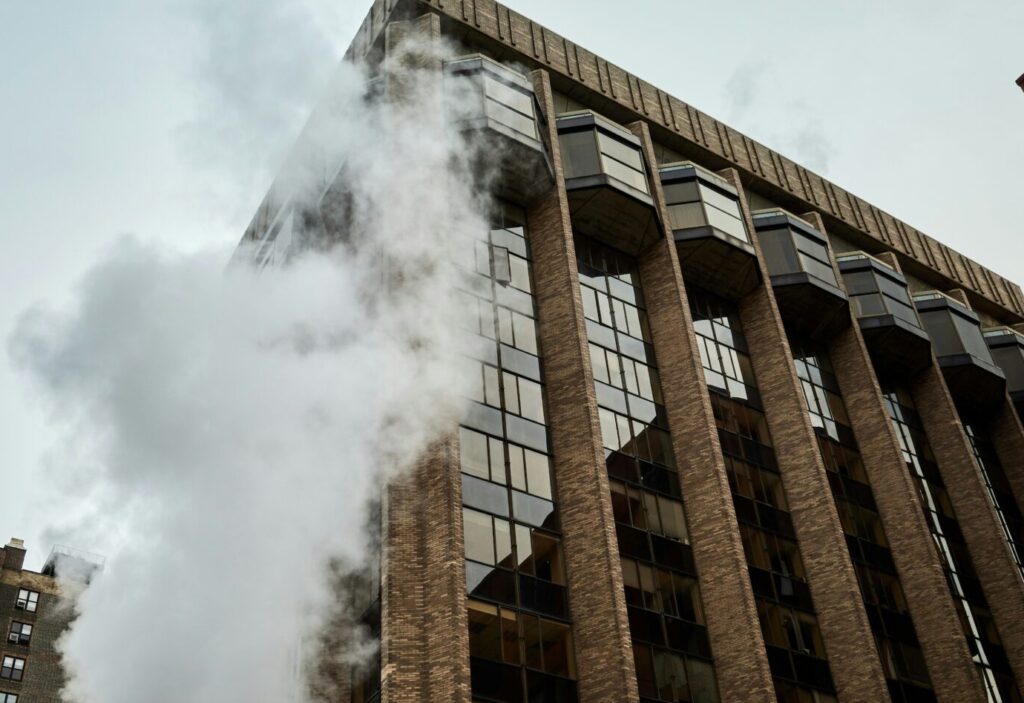
What is a smoke control system?
A smoke control system is a life safety system designed to manage smoke during a fire. During an emergency, it plays a critical role in keeping escape routes clear, protecting occupants, and helping firefighters access the building quickly and safely.
These systems don’t stop fires or extinguish flames. Instead, they control the flow of smoke by removing it, containing it, or preventing it from spreading into the areas people need to use to escape.
Why is smoke so dangerous?
Smoke inhalation is the leading cause of fire-related deaths. It’s fast-moving, unpredictable and filled with toxic gases which damage the respiratory system. Even a small fire can produce enough smoke to block visibility within minutes. That’s why corridors, lobbies and stairwells are such high-risk areas as they can fill with smoke quickly if there’s no management strategy in place.
Without an effective smoke control system, those critical routes become dangerous long before the fire is close. With one, they remain safe long enough for people to get out and for emergency services to get in.
How do smoke control systems in buildings work?
A smoke control system is made up of several moving parts, all designed to work together during an emergency. The specifics change depending on the building, but the principles stay the same.
Key components include:
- Automatic opening vents (AOVs): These open when smoke is detected, allowing smoke to escape through the roof or façade.
- Fans and ductwork: Mechanical systems actively extract smoke from the affected area and replace it with fresh air.
- Pressurisation units: These systems push clean air into stairwells and lobbies, keeping smoke out and ensuring safe evacuation routes.
- Sensors and controls: Detectors trigger the system automatically and direct it to respond where it is needed.
Smoke control strategies
- Natural ventilation: Uses openings, such as AOVs or roof vents, to let smoke escape naturally.
- Mechanical extraction: Fans actively remove smoke and pull in replacement air. This type of system is common in complex or enclosed buildings.
- Pressurisation systems: Maintain higher air pressure in escape routes, preventing smoke from entering key areas like stairwells.
- Smoke curtains and barriers: These are deployed to contain smoke and stop it spreading across large spaces.
Together these strategies ensure the building responds intelligently to smoke, even if the fire is small or localised.
Examples of smoke control systems in buildings
Different buildings face different risks. In this section, we outline examples of smoke control systems in two common environments.
Smoke control systems for offices

- AOVs in stairwells and corridors
- Mechanical extraction for basements or enclosed areas
- Pressurised escape routes for multi-storey buildings
These systems ensure employees can evacuate safely and that emergency teams can move efficiently between floors.
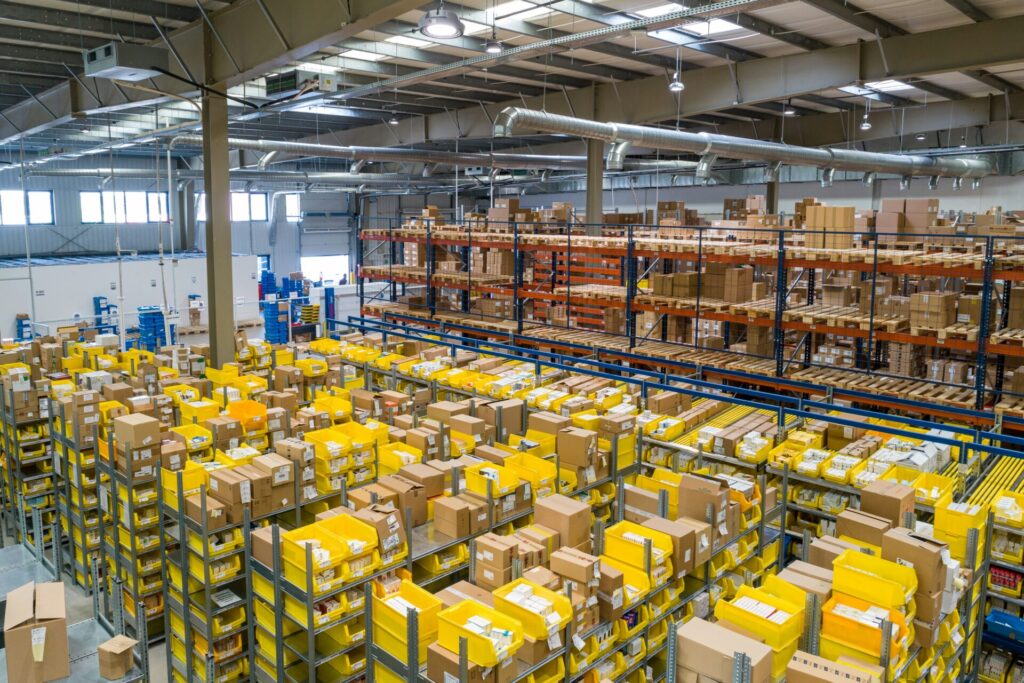
Smoke control systems for warehouse environments
- High-level roof vents to release smoke quickly
- Zoned extraction systems for large open areas
- Solutions designed to maintain visibility along main evacuation routes
Here, the goal is to keep the environment as clear as possible, even in tall or densely packed storage spaces.
Smoke control compliance
UK building regulations place strong emphasis on smoke ventilation and escape route protection. While the technical details sit within standards like Approved Document B, the takeaway for building owners is simple: smoke control isn’t optional. It’s a life-safety requirement.
Neglecting smoke control doesn’t just put occupants at risk. It exposes duty holders to legal consequences and invalidates insurance coverage.
To stay compliant, you need a smoke control system specifically designed for your building that has been commissioned and certified by a competent specialist. It’s also essential that the system undergoes regular maintenance, inspection and testing.
What building owners should look for in a smoke control system
Choosing the right smoke control system is about more than ticking a compliance box. A well‑designed system protects people, supports emergency response and safeguards the building long-term. Here are some key considerations when choosing a smoke control system.
Designed for your building type
Your building type will dictate how smoke behaves in a fire. Offices, warehouses, multi-storey residential blocks and large atriums all have different requirements. The system must match the building’s size, shape, occupancy and risk profile, whether that’s a smoke control system for warehouse storage zones or smoke control systems for offices with shared lobbies and stairs.
Compliance
Choose a smoke control system that meets the highest industry standards. In the UK, look for full compliance with ISO 21927-9 and BS 7346-8 and approvals to EN54 Parts 2 and 4 to ensure it is built to satisfy the world’s most rigorous smoke control requirements.
Fire alarm system integration & remote monitoring
A smoke control solution that integrates with your existing fire alarm system gives you greater oversight of your building’s safety. Opting for a system with a remote monitoring platform adds even more flexibility, enabling you to view system status and manage key functions directly from your phone or laptop.
Conclusion
Smoke control systems in buildings are fundamental to safeguarding people and protecting property. They keep escape routes clear, support emergency response and ensure your building meets its legal obligations. For owners and managers, the key is understanding what your system does, how it’s maintained and whether it still meets the needs of your building.
Discover SmokeGo
SmokeGo is the game-changing solution that gives you complete and active smoke control from your fire system – without the complexity.